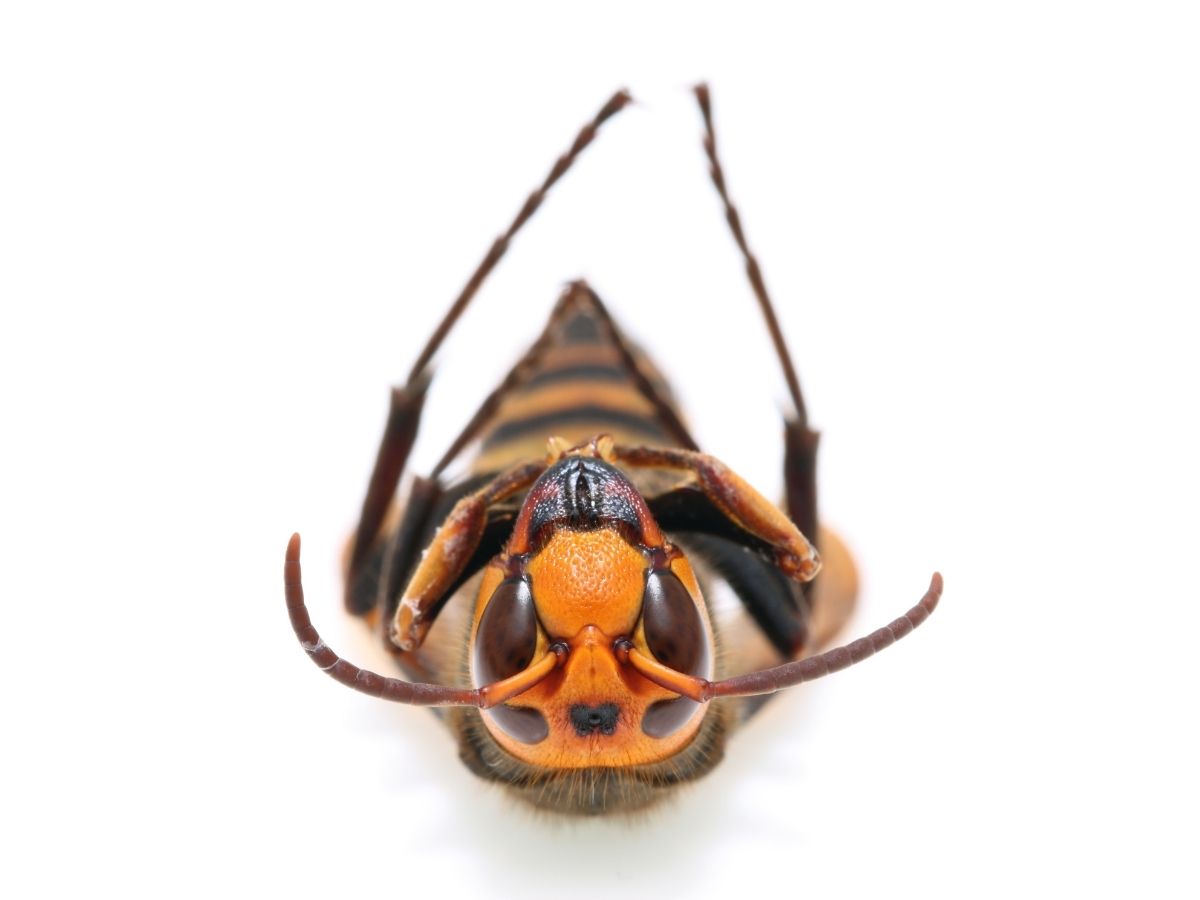
Hornet Control is essential for the protection of your property. Beets are also known as yellow jackets, carpenter bees and wasps. There are many ways to prevent hornets laying eggs on your property. Although a hornet sting is not painful, allergic reactions can be very dangerous. A sting from a hawk-bee is especially painful, so you should seek professional help if you're in need of pest control services.
If you want to protect your family and home, a professional hornet controller is essential. A professional hornet control specialist will first identify the nest and then develop a treatment plan. You may attempt to use chemicals to kill hornets, but it's not recommended. These products can cause more harm than good and may not be effective. A hornet nest can attract other insects and contaminate the old material used to make it.
The winter is when hornets die out in their colonies. Mid-Aril through late October is when the queen hornets become active. While they can sting humans and pets, they're not dangerous to humans. They can cause damage to a variety of fruits and can even girdle trees. As a result, a hornet colony can die due to sap loss. Fortunately, there are effective solutions for removing a horde.
To keep them away from your home, a good repellent for hornets is recommended. They are not attracted to fragrances or perfume. They will however be attracted to flowers. A wasp-repellent flower can be added to your garden if you are planning to grow flowers. Another repellent for hornets is thyme, which is an excellent natural insecticide that can be used on plants, food, or clothing.
Essential oils are great for repelling wasps, hornets, and flies. Try rubbing a few drops into a small bottle of soapy water and spraying the nest. If that fails, you can try relocating it. This will help prevent the hornets from coming back. Peppermint oil is an effective natural odor repellent, and can be used to spray a hornet nest.
Alternatively, you can place certain plants in your garden to repel hornets. Some plants have strong odors that can repel hornets. Citronella and eucalyptus trees are particularly good repellents. Flowering plants like calendula and lilies will repel hornets.
The best way to repel hornets is to reduce their food source. If you want to remove them, removing their food source is the most effective method. Until you remove their nest, they will continue to sting. If you still have trouble getting rid of them, you can try reducing the food sources. If that fails, you can try to remove their nest.
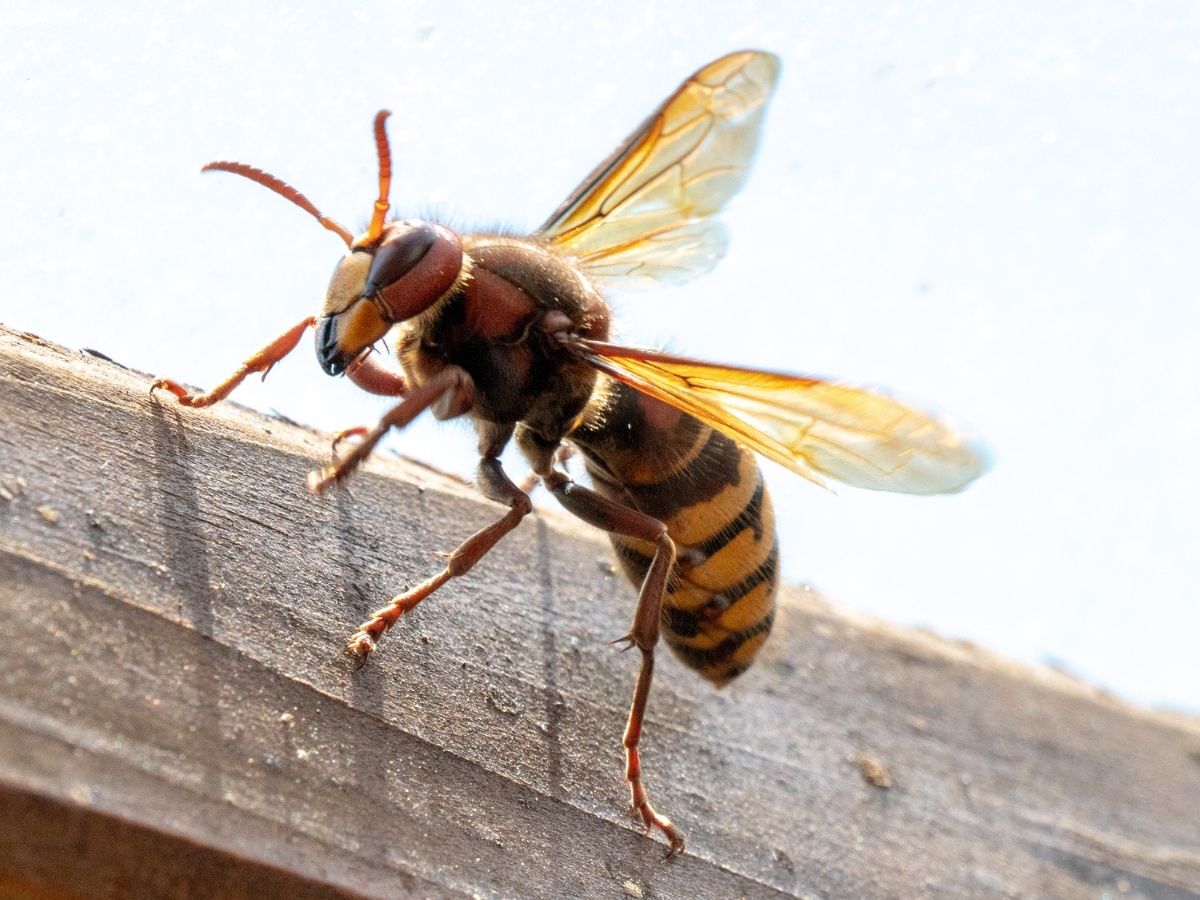
Wasps and hornets love bright lights, especially outside ones. They can be found buzzing around windows and flying into homes. They're attracted to fruit and tree sap. A well-lit home, a variety of trees, and a protected nook in your soffit are great ways to keep them away. Although there is no way to prevent hornet infestations, it is possible to keep your property clear of tree sap and fruit.
In the summer, hornets are active during the day. They're attracted to light and are sometimes seen flying into windows. They're active all day and seek light indoors. The worker stinger female hornets build nests and provide food for their larvae. They're most active in the early morning hours before sunrise and die off as cold weather approaches.
European worker hornets are active during the night. They are also attracted by light and have been known as to fly into windows. Other parasitic wasps also use lights to find a host. Those that are attracted to yellow light bulbs are less attractive to hornets. The light also attracts other insects, including Japanese hornets.
Using vinegar to get rid of wasps and hornets is an old trick. Vinegar is not liked by wasps and hornets as they are attracted to it. They prefer the smell of the vinegar. Some vinegar preparations include sugar, creating a fruit-flavored vinegar. This flavoring is attractive to wasps and bees, as they love fruits.
Vinegar is an insect repellent that works naturally to keep hornets from your property. It contains an aroma that irritates wasps' sense of smell. The mixture masks the smell that wasps love. However, you should use white vinegar instead of apple cider vinegar. Vinegar is not effective in repelling hornets but it can be used to trap them.
If you are unable to trap hornets, you can use dish soap and vinegar in your yard. Because they don't like the smell, this solution will repel them. You can also spread vinegar around your patio, backyard, or party area. This will help you remove the nest. This remedy can help you get rid of wasps once and for all. Then, you can enjoy the benefits of vinegar by getting rid of wasps.
Vinegar can be used to repel wasps or hornets for a long-term solution. Vinegar's high concentration attracts wasps as well as hornets so it is a great way of getting rid of them. And because wasps and hornets are attracted to vinegar, you can even use it to attract wasps and stings.
The most aggressive of all hornets is the bald-faced. It stings a lot more than a yellow jacket and is known to have a particularly bad aversion to vibrations. Vibrations can carry venom through walls and branches or through the air. This triggers it to attack and follow its victim. A bald-facedcomb is made up of a horizontal layer consisting of combs. The bald-faced horneting will attempt to encircle its victim repeatedly. Moreover, a swinging motion may aggravate it.
The European hornet is generally calm and peaceful when disturbed. However, if you find a nest in your home, it is best to contact a professional to remove the problem. Unlike other hornets, they can chew through wood and find an entrance. If you are attacked by hornets, you should leave the area immediately and not allow them to set up shop there.
The bald-faced Hornet is the most aggressive of the three. However, its sting can puncture clothing and protective gear. When it comes to nest protection, however, a bald-faced hornet employs two watchmen who guard the nest and alert the team inside when danger approaches. The hornets are able to escape with only a few attacks.
You can make a homemade trap for bees if you have a problem. The best way to catch hornets is to put sugar water in it, which is very attractive to the insects. To attract them, you can also use vinegar to discourage them. To keep them from getting traction, you can add dish soap to the bait.
The WSDA provides instructions on how to build a hornet trap. These materials can be used for a 17-week period, from July through October. Rice cooking wine is an alternative if you want to make hornet traps that work in other states. It should contain at least 10% alcohol. This will discourage honeybees from entering the trap. Therefore, you should purchase a bottle with a higher alcohol level than the one recommended.
Next, you will need to create a fake nest in order to trap hornets. A fake nest will keep the wasps away from your yard for a while, but they will still come back to your yard for various reasons. The wasps might be looking for water or aphid nectar. If you decide to use a homemade hive trap, be sure to double check it first.
Top Rated Pest Control In Chicago, IL!