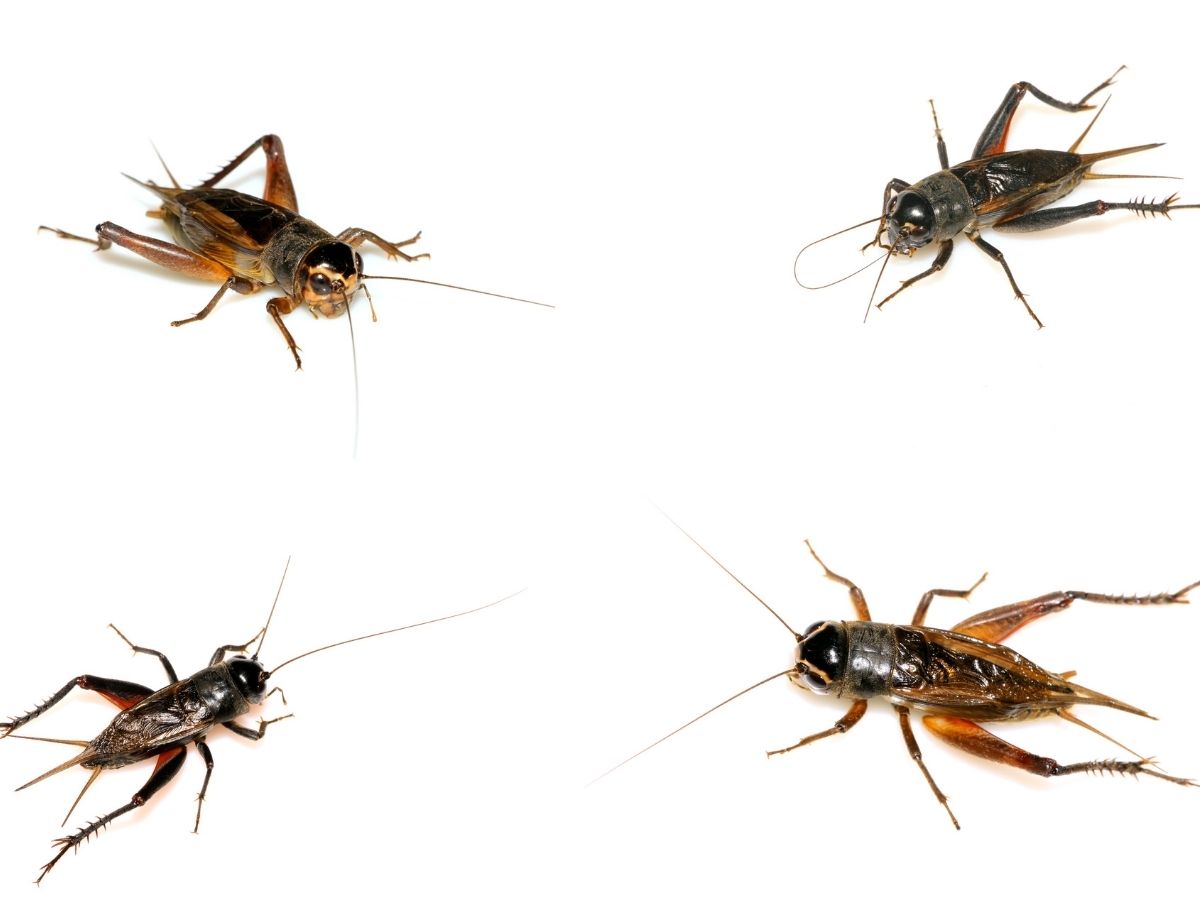
The best way to manage a cricket infestation is to take action before they breed and begin breeding. Using a general insecticide spray on the affected area can help kill crickets, but it is crucial to use this product in combination with other methods. You can control camel crickets by removing their food sources and blocking their territory. You can also reduce the amount of outdoor lighting in the area where you suspect camel cricket infestation. These insects are attracted by lighted buildings.
Some people use an insecticidal bait to kill crickets, but these products can have harmful side effects for your health and the environment. These baits and sprays contain toxic chemicals that should never be used in your garden. To learn more about the safety of insecticides, consult a professional. Organic solutions can also be an option. They are safer and environmentally-friendly. To prevent the growth of these pests, consider using a natural or organic method.
Another popular cricket control method is the use of insecticides. Some insecticides can cause harm to your health. It is important to consult a professional gardener to determine if you should use a chemical in your home. Organic methods are a better option if you don't want to use harsh chemicals. You can keep your plants healthy by using organic or natural methods. This method will also prevent any further damage to your property.
You might wonder how long they can live in your home if you have a cricket problem. These bugs are not harmful to your health, but they can cause damage to clothing and fabrics. They prefer to feed on wool, cotton, and silk and will not eat synthetic materials. You will need to replace their food every once in a while or they will return. In addition, you need to replace the weather stripping around doors and windows.
Crickets have a relatively short life span and live for about eight to ten weeks, depending on the species. They can survive in cold environments but not at high temperatures. Their life cycle is marked by molting or growth. The majority of crickets are nocturnal, and they spend most of their time in the dark. They don't like light and will die in hot climates.
If you have a cricket infestation, you may not want to keep it as a pet. Although they are beneficial to the soil, they can cause damage to your plants. Crickets can be beneficial for your garden if you remove them quickly. They can burrow into the soil, which improves drainage and airflow. They can be a nuisance even if you don't want to kill them. If you suspect you have a cricket infestation you should immediately seek professional help.
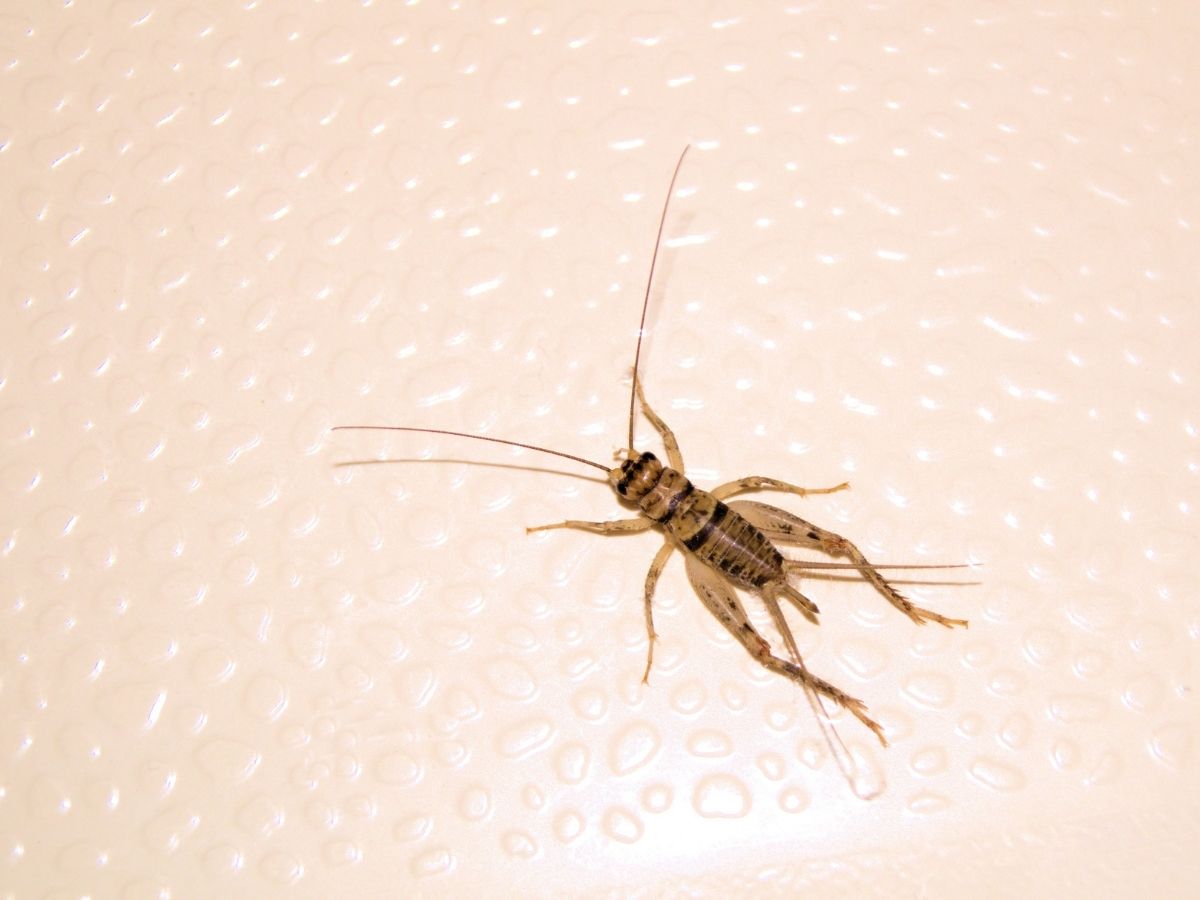
Crickets are nocturnal creatures, and they like to be inside during the day. They cannot fly or jump and prefer to be in areas without predators. Because they can't fly, they need to stay indoors during rainy days. They can jump in a building or on a roof, which is what they do most often. Let's take a closer view.
Crickets chirp to warn predators when warm weather approaches. Their chirping signals that there is a predator near. Their chirps are also easy to understand, and a slight vibration can signal the presence of a predator. When temperature reaches about eighty degrees Fahrenheit, crickets will stop churning and go silent.
When it rains, crickets move inside. If they're outside, they will move inside, where they will be protected. They won't return indoors until the rain stops. Crickets have no ears, unlike humans. If they hear a slight vibration, it means a predator is near. They will usually become quiet when they hear a predator approaching, but only for a short time.
If you notice a large number of crickets inside your home, chances are the crickets are nocturnal. They sleep during the day, and come out at night for mate and foraging. Their songs are used as courtship calls. Female crickets chirp less during the day, and their song carries no emotion. They are one of few insects that can make music for both the living and the dead.
The answer to the question "What insecticide is used to control crickets?" is simple. It depends on the type of pest and where the infestation is located. The brown house cricket is larger than the house cricket, preferring soft plant parts for indoors. If you notice these bugs in your home, you should treat them immediately to control their population. You can use Talstar PL Granules and NiBan Granular insecticides.
Delta Dust is a popular insecticide used to control field crickets. This odorless dust can be applied to electrical outlets, light fixtures, baseboard molding, and walls. It is a very effective insecticide that is safe around pets and in food-based environments. It is easy to use and can be used inside your home, in areas where the crickets nest. This spray should not be used on plants as it can cause permanent damage.
Lambda is a very effective product for treating field crickets. It can be applied to doors and windows to keep them out. Despite being highly effective, it is also safe around pets, food and cooking areas, and other structures. This insecticide is a great choice because of its high residual and quick knockdown. And unlike some of the other options, this insecticide is much more affordable than Demon WP. Follow the instructions to the letter.
Trapping a cricket that is chirping is the best and most efficient way to get rid. Using sticky traps, glue boards, and homemade molasses traps are all effective and easy to apply. You can attract insects by lowering the temperature and keeping them in the jar. You can also place a piece of cardboard in the area to prevent them from finding the food and moisture sources in the jar.
Using vinegar will kill the crickets in minutes. You can also try putting salt in water, but it is less effective. Six ounces of salt should be used per quart, or 170ml water. The insects can also be killed naturally with lemon juice. Essential oils can also be used to kill crickets. The most effective essential oils are thyme and rosemary essential oils.
One more solution to kill a cricket is to place diametaceous earth around the house. This is a sedimentary rock that is easily crumbled. The crickets will die from the earth's scratching action, which damages their exoskeleton. A vacuum can be used to completely eliminate the crickets. It will remove the insects from the area and will help you in keeping the place clean.
Spraying crickets with an insecticide is the best way to get rid of them. You can make a mixture of two cups of water and one or two teaspoons of hot chili powder. Mix the solution with a few drops dish soap, and spray the plants. The mixture will deter crickets and keep them away from your windows. Spraying the solution around your plants, shrubs, or vegetables will help keep them away.
Another way to get rid of crickets is to treat the area around your house with pesticides. Natural insecticides such as diatomaceous Earth can kill the insects upon contact. This can help you get rid of the problem completely. If you're unsure how to use these products, you can consult with a pest professional. You could also add a few drops peppermint oil to the area that crickets live.
Insecticides are not the only option when it comes to reducing the population of crickets. You can also try natural ways to combat the problem. You can spray soap in a spray bottle and allow it to get into the crickets. The soap will kill them by destroying their outer shells. If you're really worried about killing crickets in your garden, you can also spray hot pepper spray on the area, but you should not apply the pepper spray immediately.
Top Rated Pest Control In Chicago, IL!