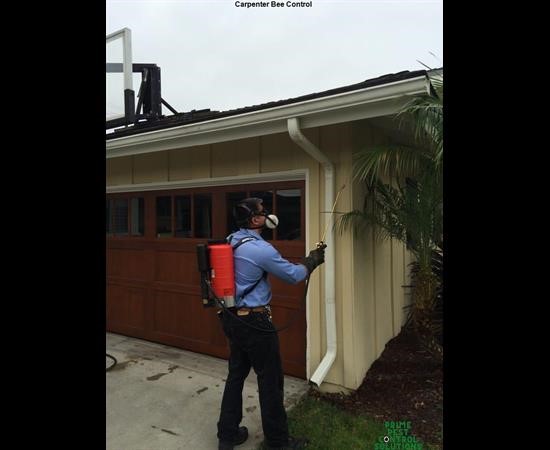
For homeowners who want a quick and easy way to get rid of carpenter bees, Prime Pest Control Solutions is the perfect solution. This water-based insecticide contains the active ingredient Esfenvalerate, which kills carpenter bees directly. It also kills any insects that come into contact with the spray. It's important to dilute the spray before using it, as it is poisonous when not diluted. It must be used with a Chapin one-gallon pump sprayer and properly handled.
To get rid of carpenter bees, you can use Drione dust. This dust, which is light talc-like, has a mechanical effect that kills the pests. It can last for a year, and can even kill the hatching larvae. The process is simple: puff the Drione into the nest and allow it to work. Within minutes, the carpenter bees will leave the area. This should be done early in the season and before the adult hive emerges.
Spray garlic powder in the holes. This can be left in place. Although it doesn't work quite as well, this method is safe and effective. The most effective type of carpenter bee dust is DRIONE. This powder is light talc-like and mechanically active against the pests. It works by drying the pests, which can remain in the nest for more than a year. It will also kill the larvae. Besides DRIONE, you can also spray the wood with almond or citrus oil. This will repel bees and keep them away.
You're not the only one curious about where carpenter bees go at nights. Many of us are also curious. This question is on our minds. But you might not be able to pinpoint where they are. Here's what you can expect. During the day, carpenter bees stay inside their burrows, while at nights, they emerge from their holes. The entrance hole is larger than the bee's body, and the tunnels are four to six inches long. The nest is occupied by older female carpenter bees at night. Younger worker bees spend most days inside the nest.
You can catch carpenter honeybees by checking the wood around your home for holes. They will often make a new hole every season and reuse the ones they have used in previous years. If you see them making new holes, you can take action and trap them. They can be seen through a half-inch hole. Look out for sawdust from old and new holes during the day.
During the day, carpenter bees are active in their nests, but they spend most of their time building. Female carpenter bees spend most of their time in the nest, while males spend the entire day inside it, producing young. During the night, they stay in the nests, where they die and mate. You can also find information about carpenter bees at your local extension office.
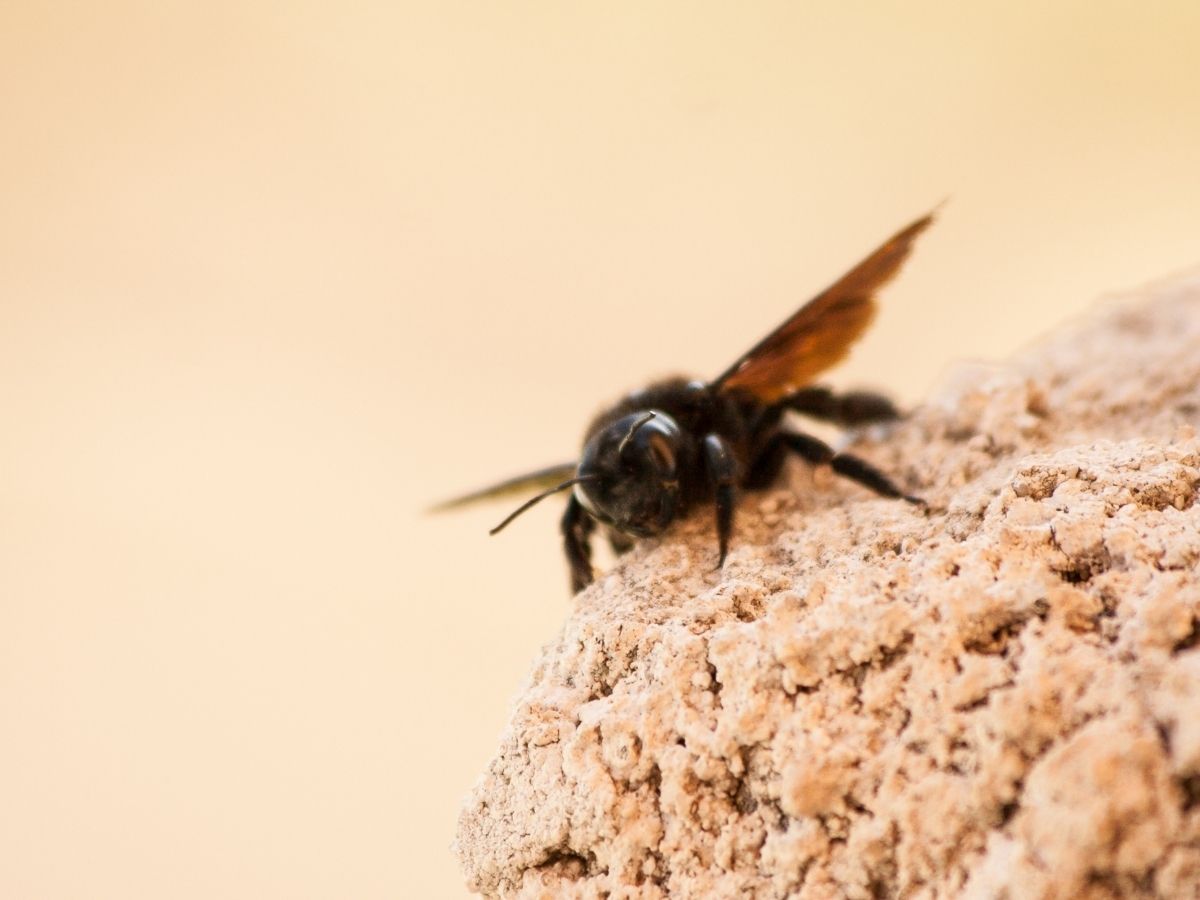
WD-40 is a safe spray for the home that can be used for all purposes. The spray works against a variety of elements, including carpenter bees. It kills them immediately and doesn't contain silicone or Teflon. This spray is safe to use around your house without causing any harm. It can be used on sticky surfaces, and it is waterproof against moisture. Spray the spray on the affected areas and let it dry.
When using WD-40 to get rid of carpenter bees, you need to make sure that the spray is applied to the entire surface. The spray is effective at killing the adult carpenter bees, but it can harm the queen, so make sure that you don't touch it with your hands or eyes. If you accidentally get the spray on a female, she might use her stinger to attack you.
Aside from WD-40, you can also use an aerosol cleaner. These cleaners come in cans and can be applied with an atomizer. These cleaners can be used inside holes made by carpenters bees as well as on wooden surfaces that they can reach. Spraying WD-40 on these surfaces will keep them from drilling holes in wood surfaces and help you save money on pest control services.
Carpenter bees don't live in colonies but they do live in wood. Adult carpenter bees live inside brood tunnels and emerge each spring from their winter homes. When it is time to lay eggs, carpenter bees bore a hole in the wood. The entrance hole is circular and contains coarse sawdust below. The bees then create a tunnel paralleling the wood's surface, excavating five to six cells.
Carpenter bees measure about half an inch in length and can lay up to six eggs per day. The eggs are protected by the food they collect during the day, and are laid in nests made of dead wood. Each egg lays several eggs at a time, but the oldest egg develops first. To reach the next two eggs, the first-laying egg must eat the rest of the eggs. Once the young bees hatch, the female carpenter bees hibernate for the winter, consuming pollen and nectar during their short lives.
A female carpenter bee will lay between two and six eggs per year. The nest is made of bread that contains nectar and pollen. The bread is then used to deposit the eggs. During flight, the male carpenter bee tries to mate with its female. This will make the female a vulnerable mate, and it will try to do so while in flight. They might not mate successfully, so it is important to protect them during nesting season.
Carpenter bees are very hard to get rid of. Protecting your property is important. You should remove them from your home before they cause damage. These bees are common in many homes, and you can easily catch them by using traps that are easy to use. But you have to keep in mind that trapping them is not always the best solution. There are natural ways to get rid them.
First, trap them. It's best to capture only adult carpenter bees. Don't attempt to catch baby carpenter bees. You can remove their eggs and larvae. If you catch them while they're still young, you can kill them later. To make sure they don't escape, ensure you place the traps in both directions.
Another option is to place a mason container over the hole's entrance. This is safer than spraying chemicals. The hole will be filled using wood putty, which will repel carpenter bumblebees. The mason jar will be helpful in relocating the bees. The bees will die if the container is removed. But before you try it, you should read the manufacturer's instructions carefully.
Top Rated Pest Control In Chicago, IL!