Boxelder bugs can be very destructive and irritating. It's important to take immediate action to protect your home from their infestation. This insect lives in sacks, and they produce eggs all winter. You should treat the exterior of your home in the fall and indoors in the spring. Most infestations are not very serious and can be treated outside with minimal effort.
A household spray containing pyrethrin or Resmethrin can be used temporarily as a temporary solution. Other options include a fly swatter or vacuum cleaner. You can also use a hand-held bug killer. These sprays are quick and odorless. These insect killers can be hidden from view and have a low odor. They are safe for use around pets and children as well as the elderly.
Outdoor areas can be treated with Maxxthor EC, which has been tested by the EPA. The odorless spray is a great way to reach hidden crevices and kill the boxelder bugs. It can also be used to kill ticks, mosquitoes and other pests. Since this product doesn't produce an unpleasant odor, it's safe for everyone. It also kills ants, mice, and other insects.
Boxelder bugs, which live on trees and shrubs and can cause a lot trouble around your home, are pests. They love to eat the fruit and develop new leaves from the boxelder trees. They don't have poison or venom, but they can cause skin irritation. This type of bug is more likely to be found in winter, when they hibernate until spring, when they emerge.
Boxelder bugs, small, white insects, live for a few days. They are active in spring and autumn, but will hide in sheltered areas in your home during winter. They will follow the warmth of your home. They are not harmful to ornamental plants, but they will feed on fruit. Their larvae are small enough to be easily spotted. However, if they are able to infest your house, you can take measures to get rid of them before it becomes too late.
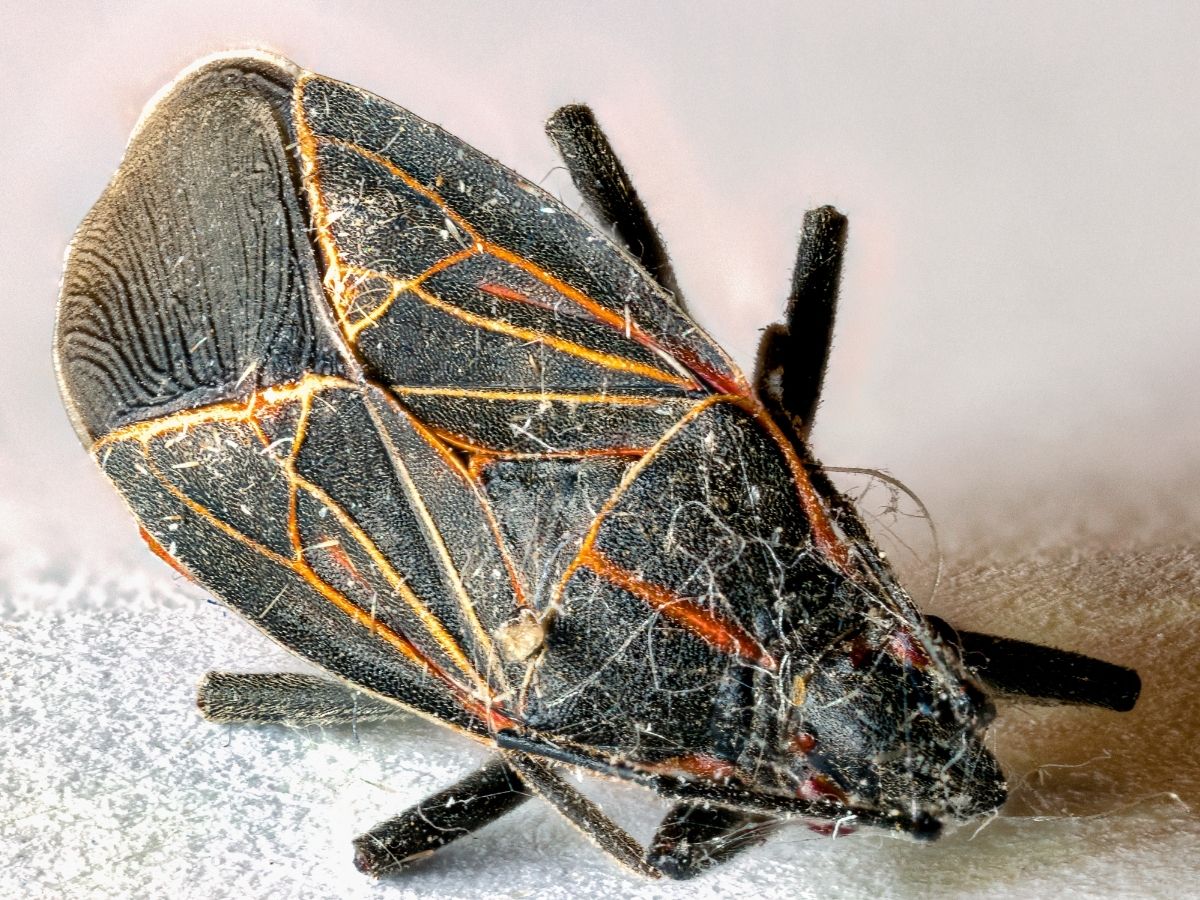
Adult boxelder bugs measure approximately 1/2 inch in length. They lack wings and have orange-reddish to orange markings on the backs. Boxelder bugs are often mistaken for other members of the Hemiptera order, but their appearance and smell make them a nuisance. They also eat fruit, which causes roughened pits in the skin and dimpling of the skin.
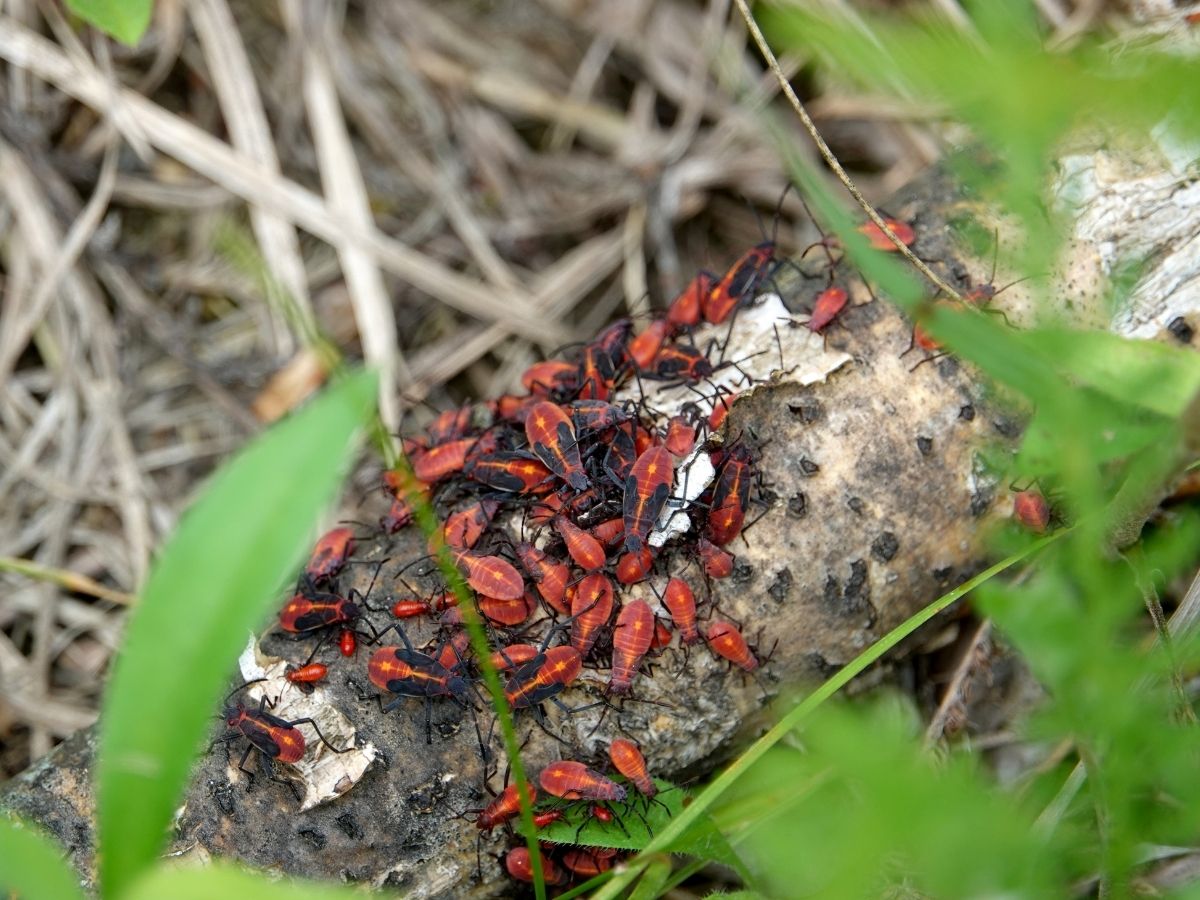
Are boxelder bugs more severe in some years than others? This question is likely to be answered "yes". These pests are notoriously difficult to prevent, so the best thing to do is prevent their entry into your home in the first place. Fortunately, this is easier said than done, as the problem is a year-round problem. It's a good idea to plug up cracks in your home and seal off areas where cords and cables exit the house.
Boxelder bugs live on a ten-year cycle. They are most active in autumn and early spring, which is when they are most difficult to find. They're half an inch long and have a red line on their back. Although they don't do much damage to your plants and aren't a nuisance, they can cause problems in the spring and fall. This is because they prefer female boxelder trees. These pests are a definite nuisance in the fall and early spring, when the weather is cooler.
If you don't want to deal with these bugs every year, you should replace any damaged window screens. Ventilation systems are a way for these insects to enter your home. You can repair roof vent screens if you are unable to replace them. Also, make sure any roof screens or windows that are cracked have been replaced. You should replace your roof if you have a brand new one.
Boxelder bugs can leave a foul odor, as well as orange stains on surfaces in your home. This smell helps the bugs avoid predators outside. Vacuuming them up and storing them in a plastic bag is the best way to get rid boxelder bugs from your home. Another option is to sweep them outside. This will keep them out of your home and prevent them from breeding.
Boxelder bugs can live on your walls and floors in winter. They won't damage your home or cause any harm, unlike other types of insects. If you find that the bugs are reproducing in your home, you may spray them with an insecticide. This will kill both the eggs and adults. You can also use a vacuum or shop vac to clean the area. You can spray vinegar with vinegar during summer to repel boxelder bugs.
Boxelder bugs can reproduce indoors but they will lay their eggs in tree debris and piles of other materials. To avoid their entry, seal the entry points into your home. You can use a natural insecticide like borax or diatomaceous earth, but be careful to be very thorough. If the sprays don't work, you can try other scents.
These little pests will fly up to two miles from their tree home in the fall. They may be difficult to see during the summer, but they can be noticeable in your home during the winter months. You should look out for boxelder bugs in your home as early as possible after you notice them. They will migrate to warmer climates from the tree after the leaves fall. They will be visible in your home in the fall and winter months.
The adults of boxelder bugs migrate during the spring and summer months. These bugs can travel many miles and several blocks in a single day. These pests will first feed on maple sap and hibernate in cracks or crevices. The second generation will leave the sapwood of maple trees and move to areas with sunny exposure. Once there, they will feed on the leaves of other trees, bushes, and shrubs.
You should take precautions to stop them from migrating to your home if you suspect that your home may be infested by boxelder bugs. These insects prefer sunny, warm areas. They are most likely to overwinter indoors during the fall and winter. While they can't harm your home, they can cause a nuisance. You should immediately take action if you see them in your home. If you notice them, don't ignore them. If you do, you will be able to get rid of them completely.
Top Rated Pest Control In Chicago, IL!